Industry Knowledge
Why Cylinder Head Bolts Demand Higher Fatigue Resistance Than Standard Fasteners
A typical diesel engine cylinder fires between 1,500 and 3,500 times per minute. Every single combustion event transmits an axial shock load directly up the cylinder head bolt shank, and this cycling never stops for the entire service life of the engine. That's fundamentally different from static clamping bolts used in structural assemblies, where the load is constant once torqued. Cylinder head bolts must sustain their preload through millions of thermal expansion and contraction cycles, high-frequency vibration, and instantaneous pressure spikes that can exceed 200 bar in heavy-duty diesel applications.
The failure mode most feared is not immediate fracture—it's fatigue loosening. Over time, microplastic deformation at the thread root gradually reduces bolt preload, and once the clamping force drops below the threshold required to keep the head gasket sealed, combustion gases begin bypassing the joint. By then, the damage is compounding: each blow-by event further erodes the gasket seating surface, and partial seizure of the bolt shank in the bore makes the next service interval far more destructive.
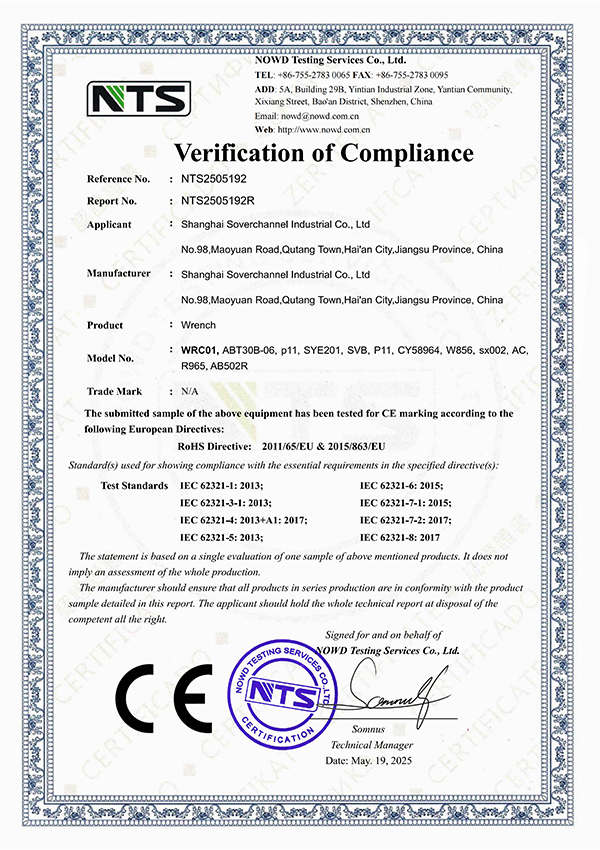
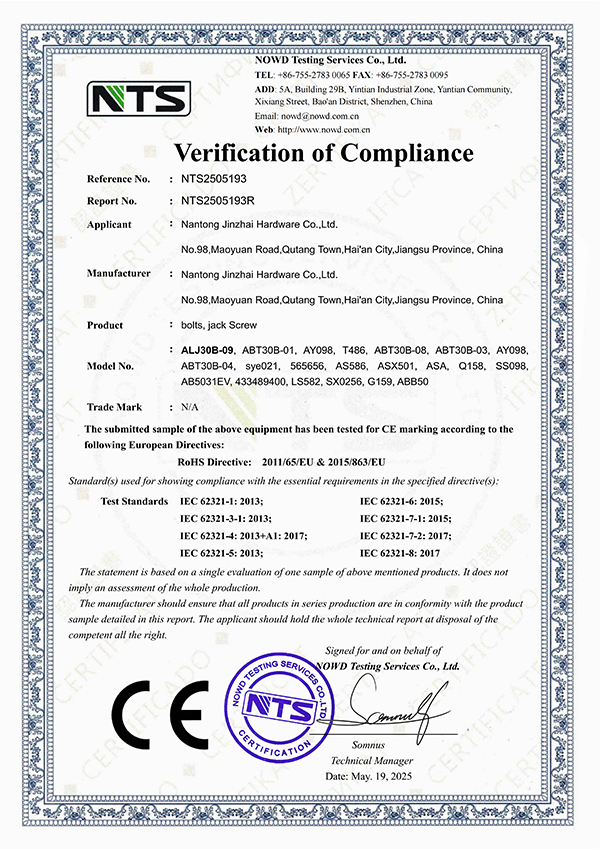
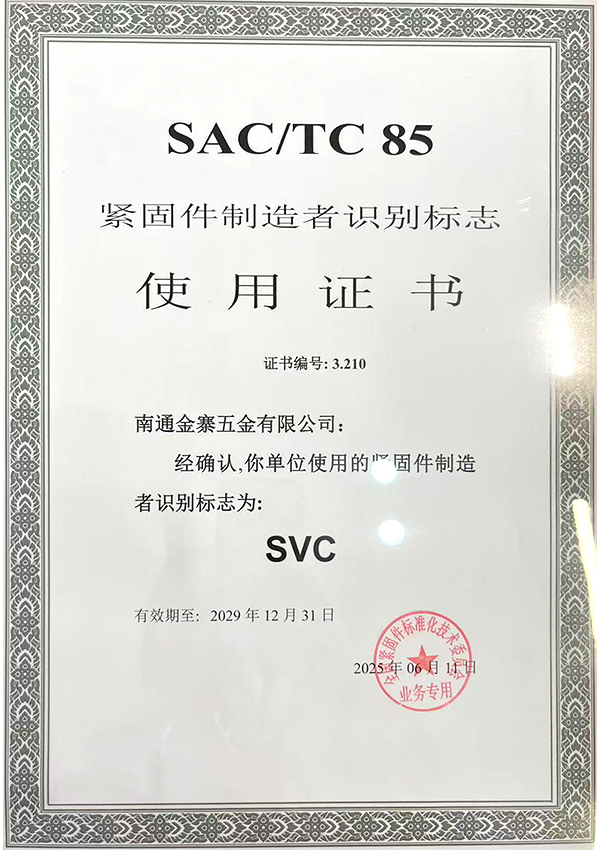
At Shanghai Soverchannel Industrial Co., Ltd., the approach to fatigue resistance starts at the material selection stage. Rather than simply specifying a strength grade and moving on, the engineering team at the company's manufacturing plant, Nantong Jinzhai Hardware Co., Ltd., evaluates the actual stress ratio (minimum to maximum cyclic stress) for each specific engine application before finalizing the alloy and heat treatment protocol. This application-first methodology is what separates precision automotive fastener production from commodity bolt manufacturing.
Material Grades Used in High-Performance Cylinder Head Bolts: A Practical Comparison
Not all high-strength bolts are created equal, and for cylinder head applications the grade choice directly determines whether the fastener survives an engine overhaul interval or fails prematurely. The following table compares the most commonly specified material groups:
| Material / Grade |
Tensile Strength |
Key Advantage |
Typical Application |
| Carbon Steel (Grade 10.9) |
≥1040 MPa |
Cost-effective, widely available |
Passenger car gasoline engines |
| Carbon Steel (Grade 12.9) |
≥1220 MPa |
Higher preload capacity |
Performance gasoline and light diesel |
| Alloy Steel (Cr-Mo) |
1100–1300 MPa |
Superior fatigue limit, good elevated-temp retention |
Heavy-duty diesel, construction machinery engines |
| Stainless Steel (A4-80) |
≥800 MPa |
Corrosion resistance, marine/humid environments |
Marine engines, power plant auxiliaries |
| Custom Alloy Steel (Ni-Cr-Mo) |
1300–1500+ MPa |
Maximum fatigue resistance, toughness at high temp |
Power plant generators, racing engines |
As a custom alloy steel fasteners manufacturer, Shanghai Soverchannel Industrial Co., Ltd. specifically engineers Ni-Cr-Mo alloy bolt blanks to customer-defined chemistry windows rather than simply purchasing off-the-shelf bar stock. This allows the notch sensitivity and hardenability profile to be tuned for the target bolt diameter and thread pitch, which matters considerably for larger-diameter head bolts (M14 and above) used in power generation and heavy machinery engines.
Thread Form Precision: How Tolerance Classes Affect Cylinder Head Bolt Behavior Under Thermal Load
Engine cylinder heads expand and contract at a different rate than the block beneath them—aluminum heads on cast iron blocks, for example, have a thermal expansion mismatch of roughly 12–14 µm/m·°C. This differential movement is transferred into the bolt's thread engagement every time the engine temperature cycles. If the thread fit is too loose (tolerance class 6H/6g or looser), the bolt can exhibit slight rocking within the thread bore, which accelerates fatigue crack initiation at the first engaged thread root.
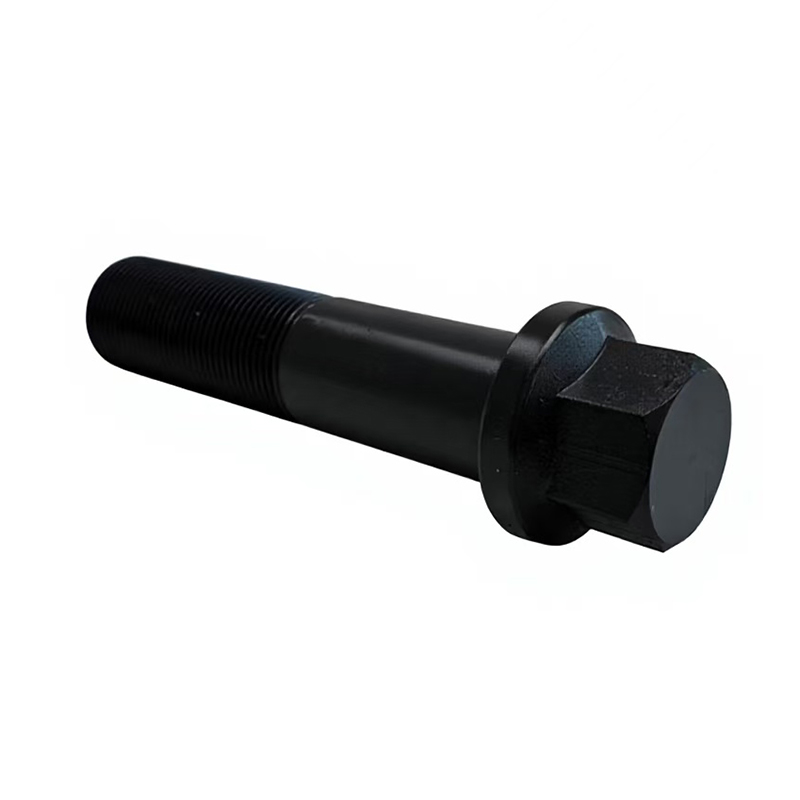
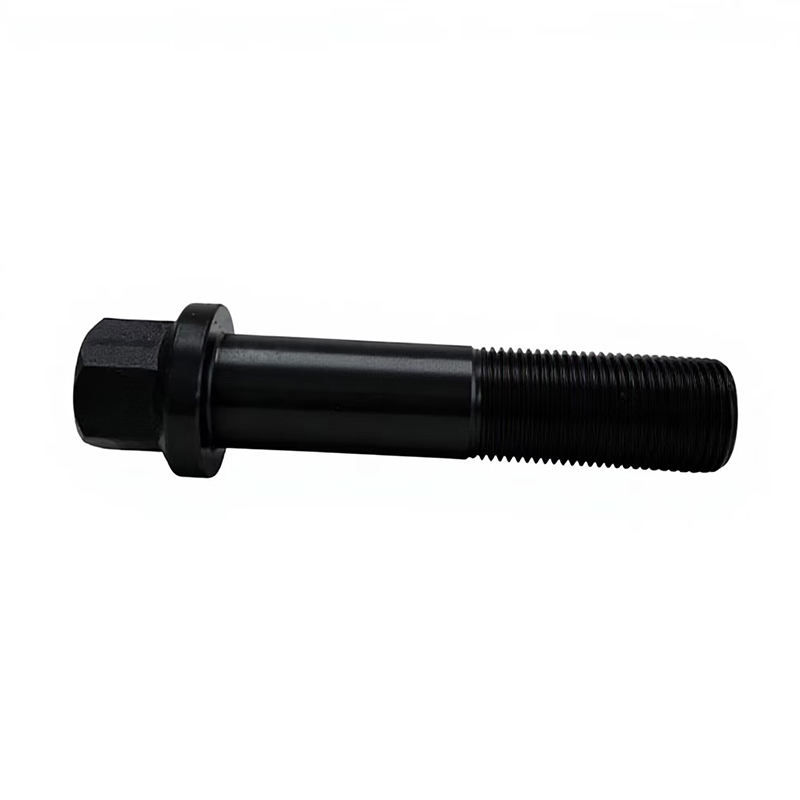
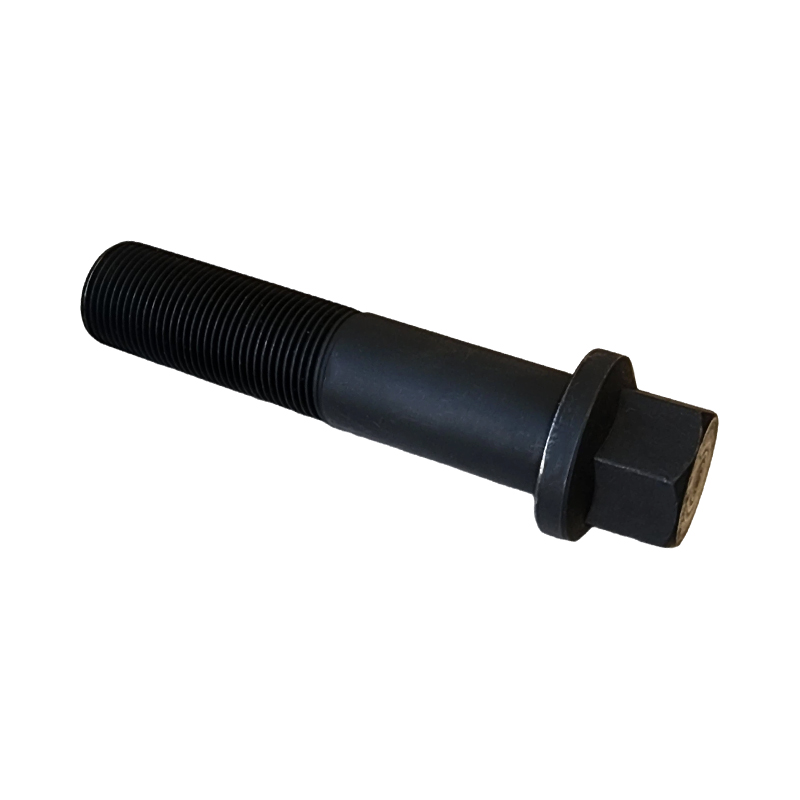
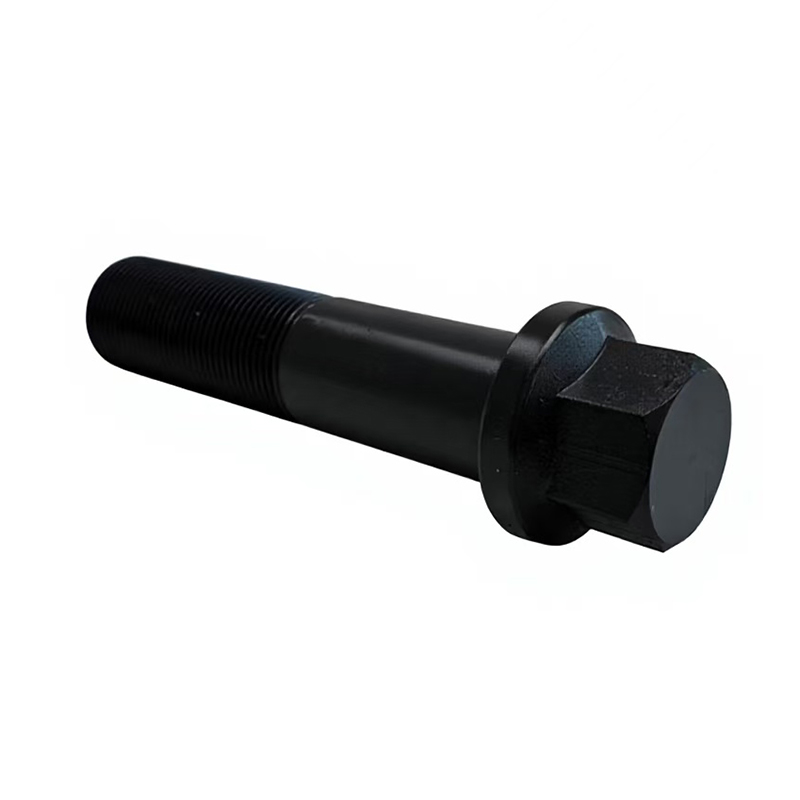
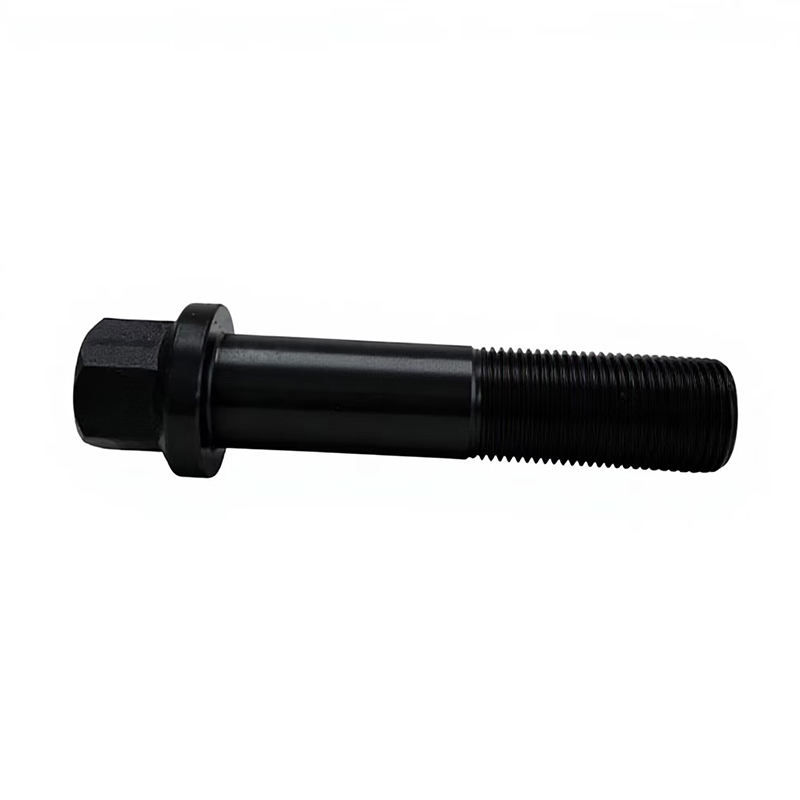
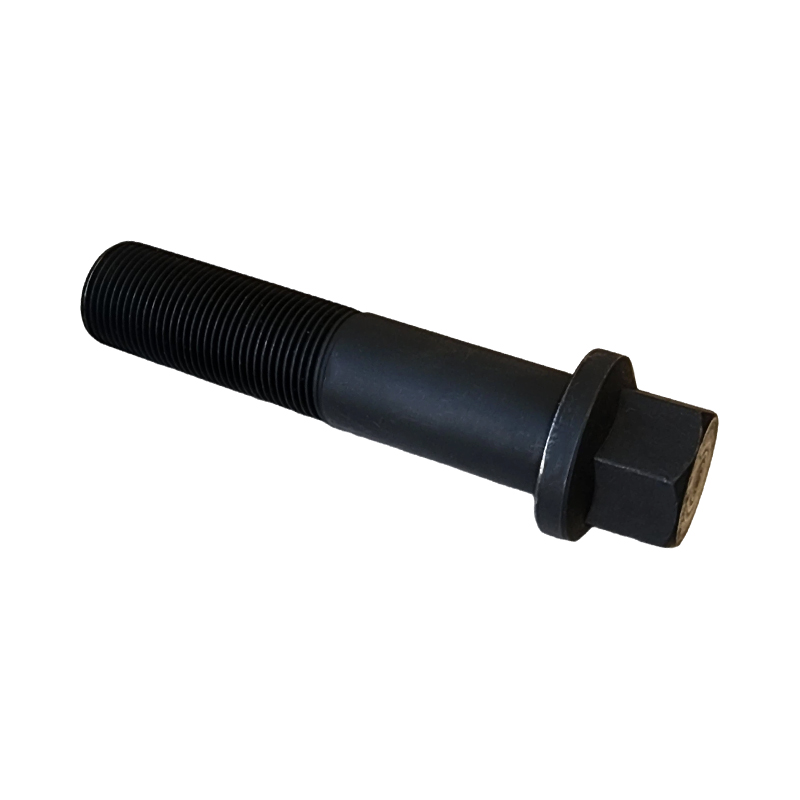
Precision-grade cylinder head bolts are typically manufactured to a 6H/5g or tighter thread tolerance, and in demanding applications a ground-thread process is used to ensure the thread form geometry is held within ±0.003 mm on the pitch diameter. The flange on a flange hexagonal bolt format also plays a structural role here: the larger bearing surface distributes the clamp load across a wider annular area under the head, reducing embedment relaxation into aluminum cylinder head casting surfaces—a common cause of preload loss in the first few heat cycles after installation.
Thread run-out, perpendicularity of the flange face to the bolt axis, and shank straightness are all critical dimensional parameters that require 100% inspection on engine-grade fasteners. Shanghai Soverchannel Industrial Co., Ltd. operates a full-process inspection system covering these parameters with CMM (coordinate measuring machine) verification and optical thread profile analysis, ensuring that every bolt delivered to automotive customers meets the dimensional drawing to the last micron.
Torque-to-Yield vs. Conventional Torque: Choosing the Right Tightening Strategy for Your Application
Modern engine assembly lines increasingly use torque-to-yield (TTY) tightening protocols for cylinder head bolts. The concept: the bolt is deliberately torqued past its elastic limit into the plastic region, where it elongates slightly and creates a very consistent clamping force—far more consistent than conventional torque-only tightening, which is heavily influenced by thread friction variability (which can swing preload by ±25%). TTY bolts deliver preload variability as low as ±5%.
The trade-off is that TTY bolts are technically single-use fasteners. Once permanently elongated, the bolt's residual clamping capacity after an engine rebuild is compromised. In practice, this creates an important procurement and service consideration:
- For OEM assembly lines where bolts are installed once and never removed until the engine is scrapped, TTY offers the best clamp load uniformity at scale.
- For service and rebuild environments—especially diesel engines and construction machinery engines that undergo frequent overhaul—conventional high-strength bolts with re-usable torque specifications are operationally preferable.
- Power plant engines, which operate continuously for thousands of hours between planned shutdowns, often use a torque-plus-angle protocol with a conventional bolt to achieve near-TTY consistency while preserving reusability.
Understanding this distinction matters when sourcing cylinder head bolts for custom or special-purpose engines. Shanghai Soverchannel Industrial Co., Ltd. offers both conventional high-strength and TTY-compatible bolt designs, with the tightening protocol recommendation documented as part of the engineering package delivered with each custom fastener order.
Surface Treatment Selection for Cylinder Head Bolts in Corrosive and High-Temperature Environments
The surface treatment on a cylinder head bolt serves two functions that are sometimes in tension: corrosion protection during storage and in-service life, and controlled friction coefficient during assembly. A zinc flake coating, for instance, provides excellent corrosion resistance but can dramatically alter the friction coefficient compared to a phosphate-and-oil finish—and if the assembly torque specification was calibrated for one coating, substituting another without adjusting the torque value can result in significant preload error.
The following surface treatments are most commonly encountered in cylinder head bolt applications:
- Phosphate + Oil (Dacromet base): The industry standard for most automotive applications. Provides moderate corrosion protection, lubricated surface for consistent torque-to-preload behavior. Friction coefficient typically 0.10–0.14.
- Zinc Flake (Geomet / Dacromet topcoat): Superior salt spray resistance (480–1000+ hours), RoHS-compliant, no hydrogen embrittlement risk—critical for 12.9 and above grade bolts. Friction coefficient 0.09–0.14 depending on topcoat.
- Black Oxide: Minimal dimensional buildup, preserves thread precision tolerances, suitable for in-engine environments where coolant splash can cause rust on bare steel. Provides only mild corrosion resistance; requires oil supplementation.
- Hot-Dip Galvanized: Rarely used on precision engine bolts due to thickness variability affecting thread tolerance. Seen occasionally on large-diameter power plant head studs where dimensional tolerance windows are wider.
- Stainless Steel (passivated): No additional coating required for standard in-engine environments. As a stainless steel fasteners company, Shanghai Soverchannel can supply austenitic and duplex grades for marine or high-humidity power plant environments.
Non-Standard Cylinder Head Bolt Configurations: When Off-the-Shelf Fasteners Are Not an Option
OEM engine designs increasingly deviate from catalog bolt configurations to optimize for weight, packaging space, or assembly cycle time. A bolt that integrates a guide pin at the tip for automatic assembly line installation, or a head bolt with a reduced-diameter waist section designed to act as a controlled elastic element (stretch bolt), cannot be sourced from a fastener distributor's shelf—these are precision-engineered components that require a manufacturing partner with both machining and metallurgical capability.
Common non-standard configurations encountered in modern engine head bolts include:
- Compound shank bolts with varying diameters along the shank length for specific stiffness tuning
- Bolts with integral oil passages or hollow shanks for lubrication circuit integration
- Combined stud-bolt hybrid configurations used in large displacement power plant diesel engines
- Bolts with precision-ground sealing surfaces below the flange for gasket-free metal-to-metal sealing designs
- Flange geometries with anti-rotation features for robotic assembly without a holding tool
Shanghai Soverchannel Industrial Co., Ltd. built its non-standard capability specifically to serve this segment of the market. As a manufacturer integrating R&D, production, and sales, the company handles non-standard bolt development from initial drawing review through prototype validation and into mass production—with the same quality system applied to the customer's unique specification as to any standard grade product.
What Quality Control Checkpoints Actually Matter for Cylinder Head Bolt Lot Acceptance
Receiving inspection for cylinder head bolts at an engine assembly plant is more rigorous than for general fasteners—and for good reason. A single out-of-tolerance bolt that passes incoming inspection and gets installed into a head can cause an engine failure that is not discovered until thousands of operating hours later, at significant warranty cost. The following quality checkpoints are the ones that differentiate a reliable cylinder head bolt supplier from a price-competitive but risky one:
| Checkpoint |
Method |
Why It Matters |
| Hardness verification (Rockwell) |
Sample per heat lot |
Confirms heat treatment achieved target mechanical properties |
| Thread pitch diameter (go/no-go gauging) |
100% inspection |
Ensures proper thread fit and eliminates cross-threading risk |
| Head flange perpendicularity |
CMM or optical comparator |
Prevents eccentric loading that concentrates fatigue stress |
| Hydrogen embrittlement screening |
Sustained load test per ISO 15330 |
Critical for electroplated 12.9 grade bolts; failure mode is delayed fracture |
| Surface coating thickness and friction coefficient |
XRF thickness + torque-tension test |
Ensures torque specification delivers designed preload |
| Material traceability (heat certificate) |
Document review per lot |
Enables failure analysis if field issues arise and confirms alloy chemistry |
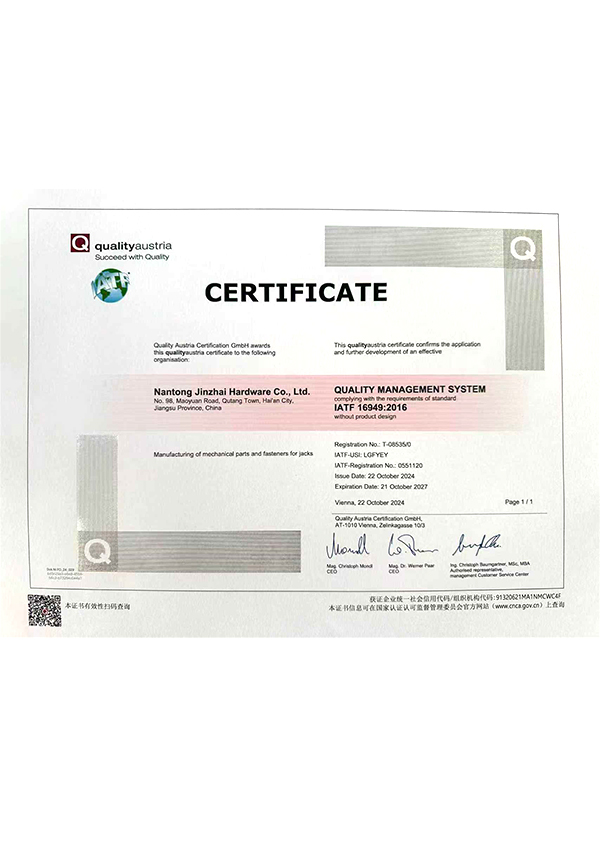
Shanghai Soverchannel Industrial Co., Ltd. maintains full material traceability from raw bar stock through finished bolt, with heat certificates archived per production lot. For automotive customers requiring IATF 16949-aligned quality documentation, the company provides full PPAP (Production Part Approval Process) documentation packages including dimensional reports, material certifications, and control plan references.